 English
 Ελληνικά
 Русский
Endodontic Dentistry
Endodontics is the field of dentistry, which deals with the pathology, prevention, diagnosis and treatment of lesions of the pulp (commonly root canal treatment), and lesions of pulpal aetiology of periodontal and periapical tissues.
![THS_May_29_07_Root_canals[1]](https://lemesosdental.com/wp-content/uploads/2018/11/THS_May_29_07_Root_canals1-500x350.jpg "THS_May_29_07_Root_canals[1]")
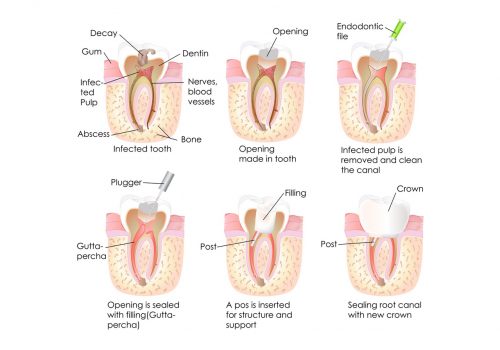
Root Canal Treatment
Root canal treatment is needed when blood or nerve supply of the tooth (known as “the pulp”) becomes inflamed or is infected through decay or injury.
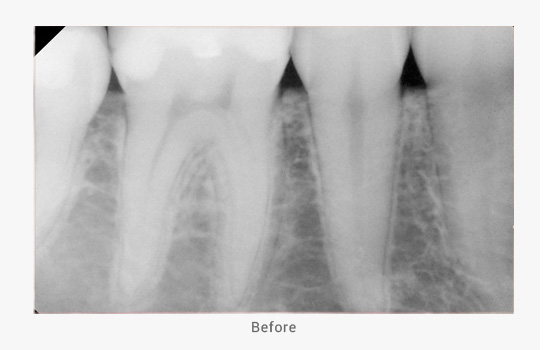
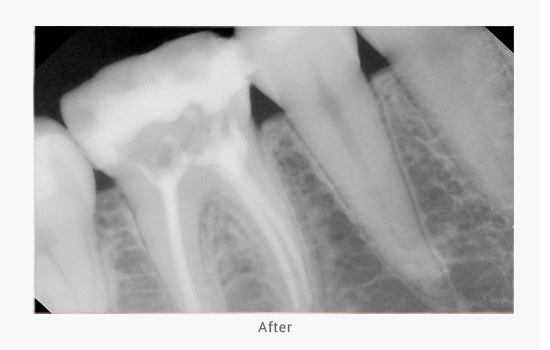
Endodontics is the field of dentistry, which deals with the pathology, prevention, diagnosis and treatment of lesions of the pulp (commonly root canal treatment), and lesions of pulpal aetiology of periodontal and periapical tissues.
The main causative agents of endodontic lesions are mainly:
a) The caries lesions starting from a point in the crown or in the root of the tooth,
b) Trauma – fracture
Symptoms that usually indicate a need for endodontic treatment are:
• Prolonged sensitivity to hot or cold stimuli
• Automatic continuous pain requiring analgesics drugs
• Swelling
• Sensitivity to palpation
• Pain when chewing
• Fistula
• Pigmentation / discolouration of the tooth
• In some cases there are no symptoms and the need for root canal treatment is determined at random radiographic testing.
Usually there is discomfort, which can vary from very severe pain, great sensitivity to hot or cold drinks, pain when biting or touching the tooth or swelling of the gums around the tooth. In some cases, however, there may be no symptoms.
Unfortunately, the tooth cannot be cured by itself. Without treatment the inflammation will spread and destroy the bone beneath the tooth, the pain usually gets worse and eventually the only solution is to extract the tooth.
The answer is no. This is because when there is necrosis of the pulp, there is no movement of blood through the canal, with effect that the antibiotic drug cannot reach to kill the germs that live and thrive there. Antibiotics are administered by dentists only when necessary, to address an acute inflammation (abscess) in the jaw. After identifying the symptoms, it is important to complete the root canal treatment, in order to maintain the attachment of the tooth to the mouth.
With root canal treatment, you have maintained the natural tooth to its rightful position, while with extraction, the tooth is lost and the loss will only be restored with a bridge or implant. This procedure requires greater inconvenience and cost to the patient.
The success rate of root canal treatment is very high, about 90-95% of cases. It should be noted, however, that in complex situations this percentage may be a bit smaller.
Provided that the endodontic therapy is successful and proper restoration of the tooth was done, after the end of treatment, the treated tooth will remain in the mouth as long as a healthy one. The support of the tooth of the jaw bone is not related to root canal therapy.